
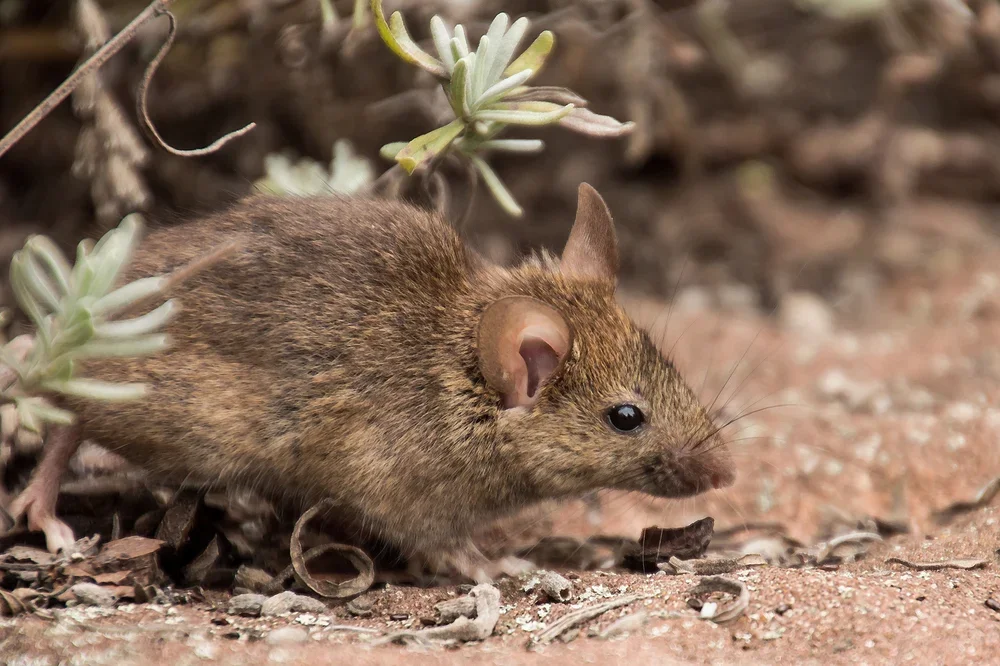
Health experts are urging the public to avoid unnecessary panic following recent hantavirus concerns, stressing that the virus does not spread easily between humans. Specialists from Monarka Clinic have emphasized that the real danger lies in exposure to contaminated rodent droppings, not in casual human contact.
Unlike respiratory viruses such as influenza or COVID-19, hantavirus is primarily transmitted through inhalation of particles from infected rodent urine, feces, or saliva. “The virus originates from rodent fluids, and infection usually occurs when someone breathes in contaminated dust,” explains Manuel Páez Romero of Monarka Clinic. Recent attention has focused on a case detected aboard a ship heading to the Canary Islands, but experts say it is crucial to put the actual risk into perspective.
While certain rare strains of hantavirus in the Americas can be transmitted between people, this is an exception and not the main route of infection. The primary threat remains environmental: entering closed spaces where infected rodents have left biological waste. During cleaning or handling of such areas, contaminated dust can become airborne and easily inhaled.
Despite the low risk of person-to-person spread, hantavirus can cause serious illness. It primarily affects the lungs and can lead to severe respiratory complications. “The virus severely alters the blood vessels in the lungs, increasing capillary permeability and causing fluid buildup that hinders oxygen exchange,” says Páez Romero. This can quickly progress to respiratory failure requiring urgent medical care.
Certain strains found mainly in parts of the Americas have mortality rates between 35% and 40%, underscoring the importance of proper prevention.
Experts recommend strict hygiene, avoiding contact with rodents, and thoroughly ventilating any closed space before cleaning. They also advise against dry sweeping contaminated areas, as this can stir up potentially infectious particles.